An autocallable contract is path dependent. Its outcome depends on the exposure and the levels, and equally on a calendar: the date the initial level was set, the dates income is tested, the dates a call can happen, and the single date principal is evaluated at maturity.
That calendar is fixed when the contract is struck. Two contracts written on the same exposure with identical terms can produce different outcomes for your client if they started three months apart, because each one meets a different market on each of its dates.
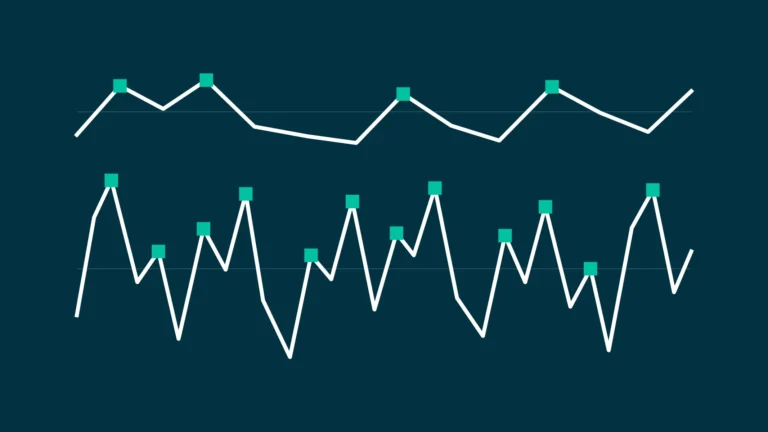
Laddering is the response to that. A fund holding many contracts with staggered start dates, observation schedules, and maturities spreads the calendar rather than concentrating it, which changes how much any single date matters and leaves the market risk underneath untouched.
What spreading the calendar changes
In a single contract, every timing variable resolves at one point. The initial level is set on one date, income is tested against one observation schedule, and principal is evaluated on one maturity date. If the exposure is below the coupon barrier on a scheduled observation, income for that period may not be paid. If the contract reaches maturity below the maturity barrier, principal may be reduced in line with the decline.
A laddered portfolio holds contracts that were struck at different times, so each contract may have a different entry level, barrier distance, remaining tenor, and observation date. As a result, the fund’s income profile is driven by the performance of the full ladder over time, not by a single contract-level coupon test. If one contract misses a coupon observation, that does not by itself determine the fund’s income for the period.
The same applies to maturity. Contracts mature on a staggered schedule rather than at one point, so no single date determines how principal is treated across the strategy.
What a ladder does not diversify
The ladder diversifies when contracts are struck, observed, and matured. It does not change what they reference. Every contract in the strategy references the same exposure, so their outcomes are linked to the same market rather than to independent ones. The portfolio is diversified across time, but not across independent sources of market risk.
In a broad decline, that correlation may show up in both tests at once. Multiple contracts can sit below their coupon barriers on the same set of observation dates, so income across the strategy can be interrupted at the same time. Contracts that reach maturity during or after a deep drawdown can each finish below their maturity barriers, and staggered maturity dates do not change that if the exposure has not recovered.
Where the ladder does help in that scenario is entry level. Contracts struck at different points sit at different distances from their barriers, so a decline that breaches the level on a contract struck near the peak may leave room on one struck lower. That reduces the odds of a uniform outcome across the strategy without removing the shared market risk underneath it.
Reinvestment as a process rather than a decision
When a contract is called, capital comes back and has to go somewhere. For a single note, that is a decision on your desk: read the current market, compare available terms, source a replacement, complete the documentation, and redeploy. The clock starts when the call happens, not when you are ready.
In a laddered fund, replacement is part of ongoing portfolio management. Called and matured contracts are replaced with new contracts struck at prevailing terms, which means the strategy refreshes into current market conditions continuously rather than in one lump at one point in time.
Reinvestment risk does not go away. New contracts reflect whatever volatility, rates, and coupon terms are available when they are struck, and a stretch of calm markets can produce frequent calls and lower coupons on replacement. What changes is that the exposure is rebuilt inside the fund rather than one note at a time.
What to ask about how a fund is laddered
Two funds can run the same strategy on the same exposure and hold very different ladders. How many contracts are in the portfolio, how far apart their start dates sit, how frequently observations occur across the whole set, and how quickly called contracts are replaced all shape what your client actually experiences.
Those are construction decisions rather than terms, which means they do not appear on a term sheet and are not visible in a coupon. They are visible in the holdings, and a fund that publishes them is providing clarity.
Disclosures:
All investments involve risk, and the past performance of a security or financial product does not guarantee future results or returns. There is always the potential of losing money when you invest in securities or investment strategies. Investors should consider their investment objectives and risks carefully before investing. Options have specific investor risks. The opinions and forecasts expressed may not actually come to pass and should not be construed as a recommendation of any specific security or strategy. All content has been provided for informational or educational purposes only. Target Outcome Investments® and Target Buffer® Strategies® are registered trademarks of Vest Financial™. Investment advisory services are provided by Vest Financial LLC, an SEC-registered investment adviser. Financial professionals are responsible for evaluating investment risks independently and exercising independent judgment to determine whether investments are appropriate for their clients.